
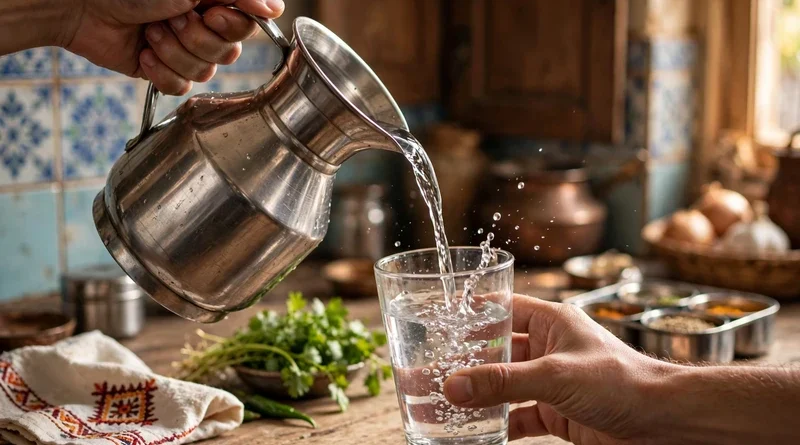
Assalam-o-Alaikum, my dear readers! I hope you are well, and your family is drinking clean, safe water. Today I will show you how to purify water at home without a filter in pakistan in the simplest words.
Many homes in villages and katchi abadis have no water filter. For example, they drink tanker water or well water. Dirty water can give your family typhoid, cholera, and stomach sickness. But you can make water safe at home, without any costly filter.
Dear friends, here is the direct answer. First, the best way to make water safe is to boil it. Bring clear water to a full rolling boil for 1 minute. So that kills almost all germs. If you cannot boil, you can use the sun. Fill a clear plastic bottle with water and keep it in full sunlight for 6 hours. This is called the SODIS method. And always first pass cloudy water through a clean cloth. Let me explain each method in simple steps.
How to Purify Water at Home Without a Filter in Pakistan: The Best Methods
Remember one rule first. Clear water is not always safe water. But germs are too small to see. So always treat the water before drinking, even if it looks clean. This is health advice, not medical advice. If someone in your home is already very sick, take them to a doctor.
Method 1: Boiling to Purify Water at Home Without a Filter
Boiling is the surest way to kill germs in water. Also, it kills bacteria, viruses, and parasites. Here are the simple steps:
- If the water is cloudy, first pass it through a clean cloth or cotton dupatta. This removes the dirt.
- Then pour the clear water into a clean pot.
- Bring it to a full rolling boil. Big bubbles must rise fast.
- So keep it boiling for 1 full minute. That is enough.
- Let it cool. Then store it in a clean container with a tight lid.

The U.S. CDC gives the same guidance: a rolling boil for 1 minute makes water safe to drink. Boiling cannot remove chemicals or salt, but it kills the germs that make children sick. Guides like Urban Prep 101 also call boiling the simplest method that always works.
Method 2: The SODIS Sun Bottle Method
This method is free. And it uses only the sun. The World Health Organization supports it for poor villages. Here is how you do it:
- Take a clear plastic bottle, 2 liters or smaller. It must be clean and without scratches.
- Fill it with clear water. If the water is cloudy, filter it through a cloth first.
- Then close the cap tight. Shake the bottle for 20 seconds to add air.
- Next, lay the bottle flat in full sunlight. Put it on a roof or a sunny wall.
- Keep it there for 6 hours on a sunny day. If the sky is cloudy, keep it for 2 days.
The sun’s UV rays kill the germs inside the bottle. Scientific reviews, such as this NIH-published review of SODIS, confirm that the WHO accepts SODIS as a safe household method in poor countries. So use the water within 2 days. Drink it straight from the bottle so it stays clean.
Method 3: Cloth Filtering First
Cloth filtering alone does not kill germs. But it is a very important first step. Dirt and mud protect germs from boiling and sunlight. So always do this first for cloudy water. First, fold a clean cotton cloth or dupatta two or three times. Pour the water through it into a clean pot. Then boil or use SODIS. This two-step method works much better.
Method 4: Bleach (Only When Nothing Else Works)
If you cannot boil and there is no sun, you can use plain household bleach. But you must be very careful. The bleach must be plain and unscented. So add 2 drops to 1 liter of clear water. For cloudy water, use 4 drops. Mix well and wait 30 minutes before drinking. The water may smell a little like chlorine. But that is normal. Never add more than this. Too much bleach is poison. If you can boil, always boil instead. I write about health in simple words here at Pak Unfiltered because every family deserves safe water.
How to Store Water After You Purify Water at Home in Pakistan
Clean water can get dirty again if you store it badly. So use clean containers with tight lids. Do not dip dirty cups or hands into the stored water. Keep the container in a cool, shaded place. Wash the container with soap every few days. And do not keep treated water for more than 2 or 3 days.
Also teach your children this habit. Tell them to drink only from the clean container. Children get sick fast from dirty water, so this small lesson protects them every single day.
FAQs: How to Purify Water at Home Without a Filter in Pakistan
Q: Is clear water always safe to drink?
A: No. Germs are too small to see. Clear water can still make you sick. So always boil or treat it first.
Q: Does boiling remove chemicals from water?
A: No. Boiling kills germs but does not remove chemicals, salt, or heavy metals. If your water smells like fuel or chemicals, do not drink it at all.
Q: Can I keep boiled water in a clay ghara?
A: Yes. A clay pot keeps water cool and fresh. But wash it well first. The ghara cools the water, it does not kill germs.
Q: How long should I keep SODIS bottles in the sun?
A: 6 hours on a sunny day. But on cloudy days, keep them out for 2 full days.
Dear friends, you now know how to purify water at home without a filter in pakistan. So boiling is the best. The sun bottle is free. Always filter cloudy water first. Your family’s health is worth these small steps. For more simple health guidance, also read my articles on why so many people stop taking their medicines and whether ultra-processed foods cause cancer.
Take care.
Do you have a question about clean water in your home? Please write it in the comments below. I read every comment, and I will try my best to answer you.


